
Finding the exact transition period for when to exchange your warm window blankets for bright spring floral decorations might be difficult for some, but fear not, help is out there! For keeping your home good to go throughout the year, having a seasonal decorating calendar is the best. As noted in the Slow Living LDN journal, seasonal shifts in decor focus not just on the aesthetics, but also function as a powerful trigger to the mood and well-being of a person. Despite that, there is a catch – transitioning between some seasons can be quite the challenge, one day it is snowing, the next day there is sunshine. That is why having clear seasonal transitioning schedules makes all the difference. Rather than blindly trying to guess when to switch out seasonal decor, the only two-season switch guideline to follow is when the weather begins to shift. For holidays, the sweet spot becomes two to four weeks before the celebration.
In this guide by DIYbeginners, which we have prepared for each month of the year, we will suggest some simple seasonal decorating strategies that, unlike some, do not require the upheaval of the entire house. From creating a neutral base consisting of soft creams, tans, and grays, to incorporating seasonal elements like nature to mark the season, we will help you work towards a year-round, evolving home. Winter, for instance, is a time to relax and recuperate after the holiday bustle, allowing a short breather between the festivities of Christmas and New Year’s. The first week of the month can then smoothly transition from the holidays to a more relaxing, subtle winter appeal.
Winter Decorating Calendar (January – February)

January: Transition from Christmas to Winter Decor
The key to this transition is to disregard any overtly Christmas-themed paraphernalia while maintaining a winter aesthetic. To capture this, slowly take down the wintery, bright red decorations, stockings, Santas, and Christmas ornaments. Meanwhile, keep in mind:
- Greenery, pinecones, and winter-trees la, sapling-sized
- White and neutral decorative things
- Boxwood and branch work
Maintaining a modest winter aesthetic will ensure that your house still retains some seasonal warmth, while also creating the much-needed breathing space after the holidays. This is the perfect opportunity to declutter and cleanse surfaces before the next wave of holidays devoid of decorations, as well as pre-emptively organize decorations for a more streamlined process post-holiday, setting up for the next festive season. Seasonal Decorating helps in a healthy mental condition.
The Middle of January Add Cozy Winter Touches
Now that a clean dummy is established, concentrate on setting up an inviting and warm first impression. To achieve this, the use of warm cozy appeal will do the trick. Adding textural elements like fleece and cable-knit throw pillows, along with soft, warm blankets, will bring an inviting and cozy wintery feel. Creating minimalistic winter centerpiece vignettes using simple round vases filled with стр.
Lighting is an important element on your winter decorating calendar. Think of candles, lanterns, and strings of lights placed strategically to battle shorter days. Elements of nature pinecones, winter greenery, and branches, invite the outside in and give a grounded seasonal feel.
Late January: Start Valentine’s Day Accents
The final week of January is the perfect opportunity to sneak in some Valentine’s Day elements. Try adding to your existing decor and maintaining your winter base by using heart-shaped bowls, neutral Valentine’s napkins, or understated X’s and O’s. For a more elegant touch, add a few pink accents, such as roses or subtle heart decorations, to your existing winter arrangements.
February: Maintain Winter Base with Optional Holiday Decor
In February, celebrate minor holidays while keeping your winter setup. This will allow your home to feel festive without a total redecorate. If Valentine’s Day is on the agenda, keep the celebration subtle with heart-shaped dishes and muted Valentine’s color candles.
Those who look forward to St. Patrick’s Day can start incorporating Irish-themed decor in the final week of February. Most importantly, remember that winter decorations should be dominated by the feeling of coziness, along with warmth and a welcoming feel.
After a cozy winter, spring offers a much-awaited invigorating change. You can look forward to the first of March as the date to start the next phase of your Seasonal Decorating calendar by introducing fresh elements and lightening your home’s decor.
Spring Decorating Calendar (March – May)
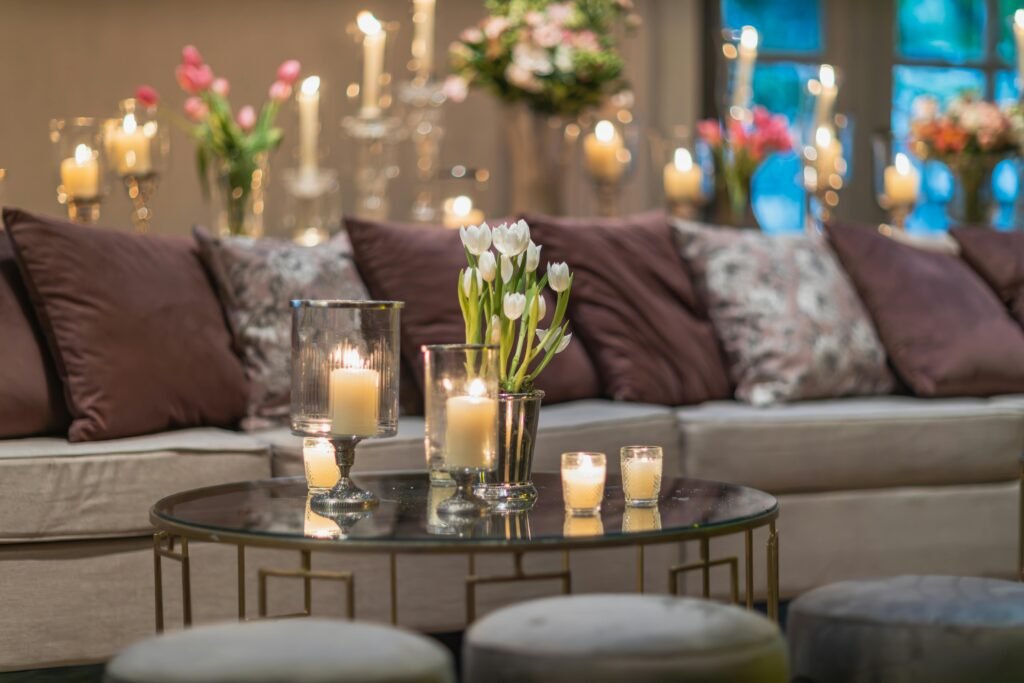
Spring is the call of fresh air after the cold winter period. When March comes around, it is time to play the next part of your seasonal decorating calendar and introduce lighter, brighter decorations into your home.
March: Swap Winter for Spring Colors
Starting March 1st, you can start putting away winter decorations and start introducing spring vibes. The spring equinox, which falls around mid-March, is, in a way, nature’s time to refresh and modify seasonal decor. Transition from winter to spring pastels, spring flowers, and butterflies. You can have a spring decor “base layer” to sustain from March to May and even as long as August. For those who celebrate St. Patrick’s Day, you can add green, gold, and white touches to your decor without losing the primary spring look.
April: Add Easter and Floral Elements
The month of April demands getting our senses into the fullness of spring. About 3-4 weeks before Easter Sunday, add seasonal items to the base of the spring you have been working on, such as pastel coloured eggs, bunnies, and carrots. New flowers come to be the highlight of the month-tulips, daffodils, and hyacinths add the true energy of spring to your home. To immediately cheer up any room, make basic compositions out of clear vases or fancy pitchers. Mind that one can use a flower basket as a centerpiece both on dining tables as well as coffee tables. Too early to think of outdoor flowers? The gap may be bridged with beautiful, high-quality faux spring flowers.
May: Lighten Fabrics and Add Fresh Greenery
By May, attention should be given to alternatives that should replace any heavy textiles left behind. Change the winter blankets and pillows to cotton or linen of lighter colors. Likewise, replace heavy drapes with lighter fabrics such as faux linen or burlap that need not necessarily be lined to be suspended quite well. Throughout your house, infuse more greenery points- pothos plants are an especially good choice because they are resistant to low light and do not require much care. These changes make your place ready to meet spring and work during the summer months without the main loss of that airy sense that spring brings.
Summer Decorating Calendar (June – August)
Summer is a sunburst, so it is the time to spruce up your deasonal decorating calendar by adding bursts of effervescence.
June: Brighten Up with Summer Colors
The arrival of summer calls for a refreshing change to your home decor. With warmer days around the corner, uplift your interiors by replacing your spring pastels with summer yellows, oranges, and light blue throw pillows, area rugs, and any blue accents. To create a summer feel, position a wreath, garland, or a flower vase at the centerpiece of your space. Bright summer floral fabrics would give a great addition, capturing the aesthetic of the season. Summer is a great time to try out some tropical items, fruit patterns, or beach-themed decorations. For outdoor areas, simple patio and porch makeovers can be done with potted plants and fairy lights.
July: Add Patriotic Touches for Independence Day
The start of July necessitates festive decor celebrating the Fourth of July, which can be executed through:
- Decorative cushions and bunting in the colors Red, White, and Blue.
- Wooden signs styled as flags or flag displays.
- Rustic mason jars or candles with floral arrangements matching the red, whit, and blue colors.
- Cheerful, yet simple, paper pinwheels.
It is best to keep the decorating gentle and subtle to achieve a classy feel; this is a consensus shared among most decorators. Fade and muted tones as secondary colors will provide the decor a classic and elegant feel. As a rule of thumb, most of these elements can be removed a week after the Fourth of July.
August: Begin Subtle Shift Toward Fall
August is the best month to bring your seasonal decor into the fall in a subtle way. In due time, you will also strive to add the features that will remind you of late summer scenery, like golden wheat details or decor elements in rich green and amber tones. Show off wooden accents and earthy-hued throw pillows to bring in a rustic sense to the room, transitioning between summer and fall. During this month, you can also think about replacing the bright throw pillows with warmer-colored ones or adding an intimate texture in the surroundings, such as velvet, which alludes to the warm seasons.
Fall Decorating Calendar (September – November)
Fall brings with it the best color spectacle that nature has to offer, and could not have a better decorating season calendar.
September: Start Using Champloo’s Warm Color Palette and Textures
Around Labor Day, start shifting from summer to fall in your decor. You can add new warm hues as yellows and oranges, as well as deeper earthy tones to your decor, which mimic the leaves changing. Dried florist arrangements also add to the seasonal impact and can transition between holidays seamlessly. For a modern spin, use cream and blues, and black with hints of autumn mustard and burnt orange.
October: Incorporate Halloween Decor
The first week of October is perfect for introducing Halloween decor. For the more traditional look, let out the pumpkins, jack-o-lanterns, and the spooky “bat and spider” accents. There is a stylized approach, “cute” that can and should include the pooky elegance of an “abandoned house” with cobwebs, dreary light, dim light, and vintage books. Everything should be “set” by mid-October for optimal enjoyment.
November: Start with Thanksgiving and pre-winter, and change décor
After Halloween is done, you can take down the separators with the supposed ghosts and goblins, and by the 2nd week of November. This is good news for you as your fall base can still stay for the goblins and is Thanksgiving themed with turkeys, cornucopias, and sandwiching messages of those themes. Through November, add gradually deeper tones and warm plush textures to prepare for даже с climate and the seasonal decor of winter.
Conclusion
Homemade seasonal decorating calendar changes how you feel in your house on and year-to-year basis. It is only right that our living areas show the patterns of nature that occur just beyond our windows. Such a conscious attitude toward interior design achieves aesthetic results and emotional benefits with minimal effort.
By heeding this month-by-month plan, you will be able to make gradual, valuable changes, starting to eliminate the season-related explosions. You will also get to get maximum satisfaction out of every season since the switch between the decorations will be timely; the chilling warmth of winter, the colorful exuberance of spring, the summer youthful breeze, and the pleasant autumn.
The biggest advantage of this system is that it is flexible. The template will support your choice, even though you embrace every holiday or like something more simplified and flexible. Most successful seasonal decorators stick to a base of neutral furnishings and larger aspects and alter the minor elements to suit the season and weather.
When you find yourself wanting a change in your home again, consider the fact that when it comes to refreshing your living space, little, purposeful touches can mean most. Thus, begin with a small piece–maybe the mantel or a dining table–and then slowly increase the seasonal decorating habit. It will not be long before your house becomes a natural transition across all year round, creating a perfect customized atmosphere to make memories at all times.
Pingback: 5 Easy DIY Home Décor Ideas for Beginners